

One of my most memorable elementary school field trips was a visit to the Lone Tree Monument on the north bank of the Platte River, a couple of miles southwest of Central City. A stone tree trunk with an inscription had been erected there in 1913 to commemorate a great cottonwood tree that stood fifty feet tall until it died in 1861 and was felled by a storm in 1863.
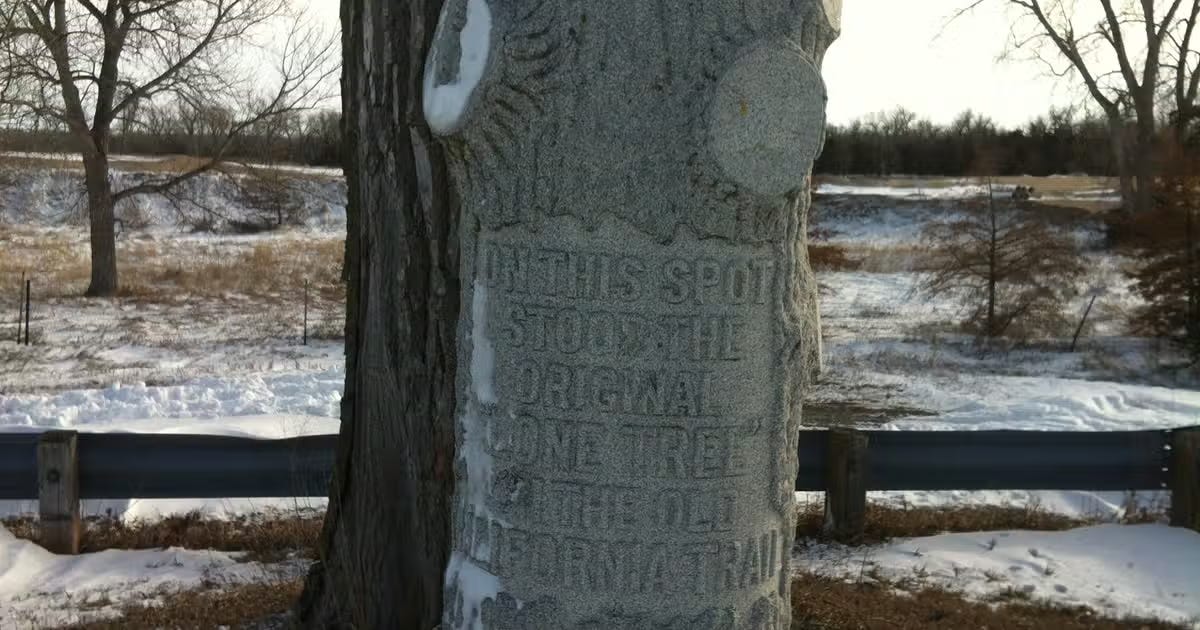
It had been the only tree for miles on the vast prairie, having survived great prairie fires and grazing ruminants. It was said to be visible for 20 miles along the great flat Platte River trails from 1838 until it fell. Even before that, it served as host to councils held by various bands of Pawnee.
There is something about lone trees that is attractive and sad at the same time. They can be among the most beautiful plants with a symmetry that cannot be achieved in a grove. They also speak to isolation and loneliness.
There is a lone tree on the Vetter Farm—the only tree east of the farmstead that I remember when we moved there seven decades ago. It grows in a three-acre patch that was largely left untouched except for occasional haying and grazing. It is still there today, and I walk half a mile east to see it whenever I visit. I have often wondered about its origin, how it has survived, and how many living creatures it has sheltered.
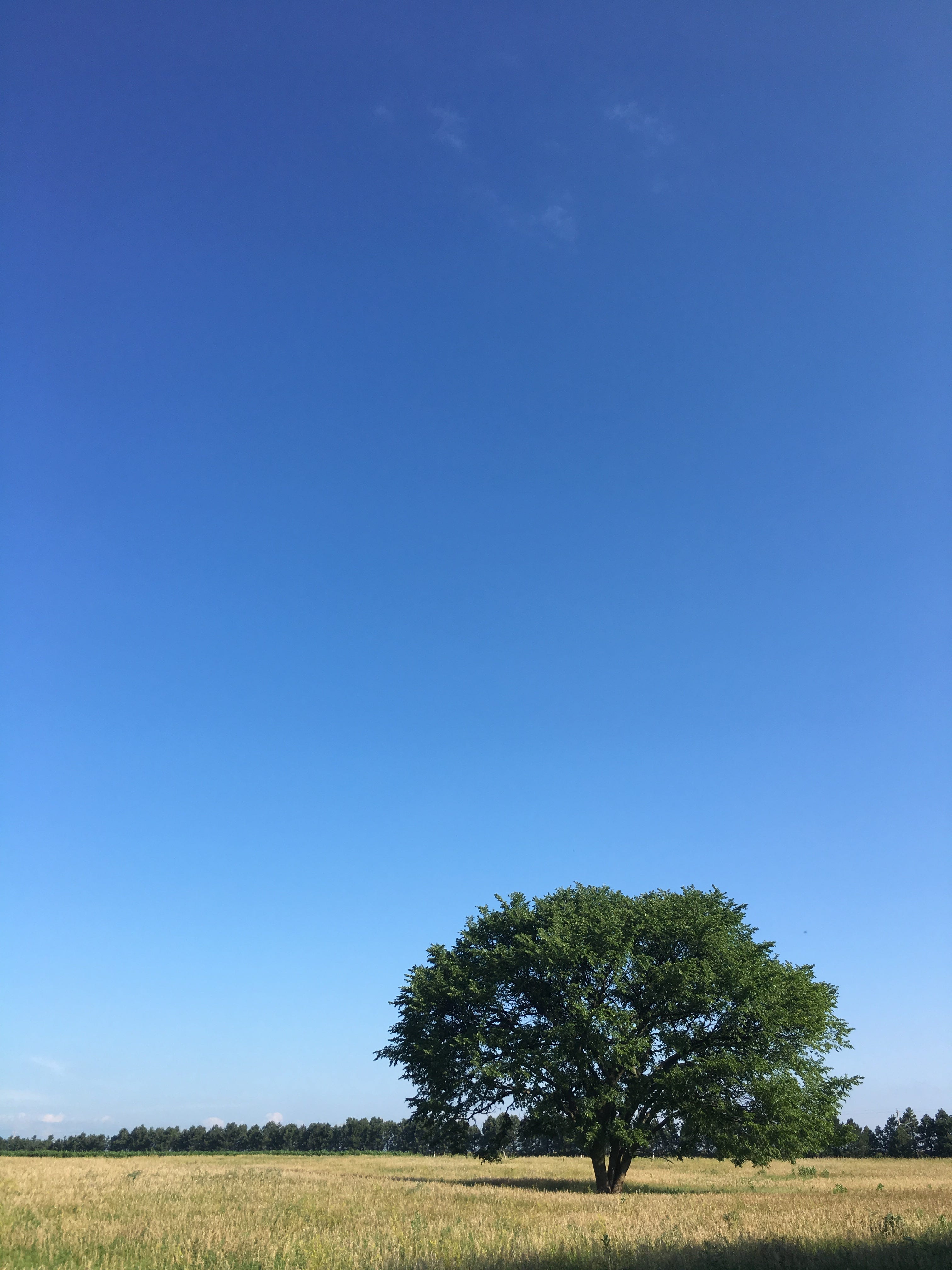
One of my favorite lone trees was on the Novac farm where we held our Easter Sunrise Services when I was pastor at the Fairmont Community Church. It stood smack in the middle of the 500-yard gravel driveway about halfway from the county road to the farmstead. The graded driveway made a loop around it. I asked Joe why he planted a tree in the middle of his driveway. He told me he did not plant it—it just grew there when the driveway was only tire tracks. They started driving around it, and when they graded and graveled their driveway they circled it as well. I cannot think of a more fitting welcome sign to their home. It truly symbolized who they were and what they valued. I wish I had taken a picture of it.
Lone trees point us to something beyond ourselves and touch something deep within us.
Nurturing soil—nurturing community,
Jay